Healing, nourishing, and surprisingly simple to make — this pantry-friendly seaweed soup is a must-know for every home cook.
This post includes affiliate links. That means I may earn a small commission if you buy through the links—at no extra cost to you. Thank you for supporting this blog and helping me share more honest mom tips!
Why You’ll Love This Recipe 💚
Miyeokguk (미역국), also known as Korean seaweed soup, is one of those dishes that instantly feels like home. It’s commonly eaten on birthdays and postpartum (it’s rich in calcium and iron), but I make it all year round because it’s light, savory, and comforting — and my kids love it! And it can be made vegetarian or with optional beef or seafood for extra umami.
- Rich in nutrients – Seaweed is a powerhouse of vitamins, iodine, and minerals like calcium, iron, and magnesium.
- Kid-friendly – Mild, nourishing, and gentle enough for little ones.
- Minimal prep – Just soak, sauté, and simmer.
Ingredients
Here’s everything you’ll need:
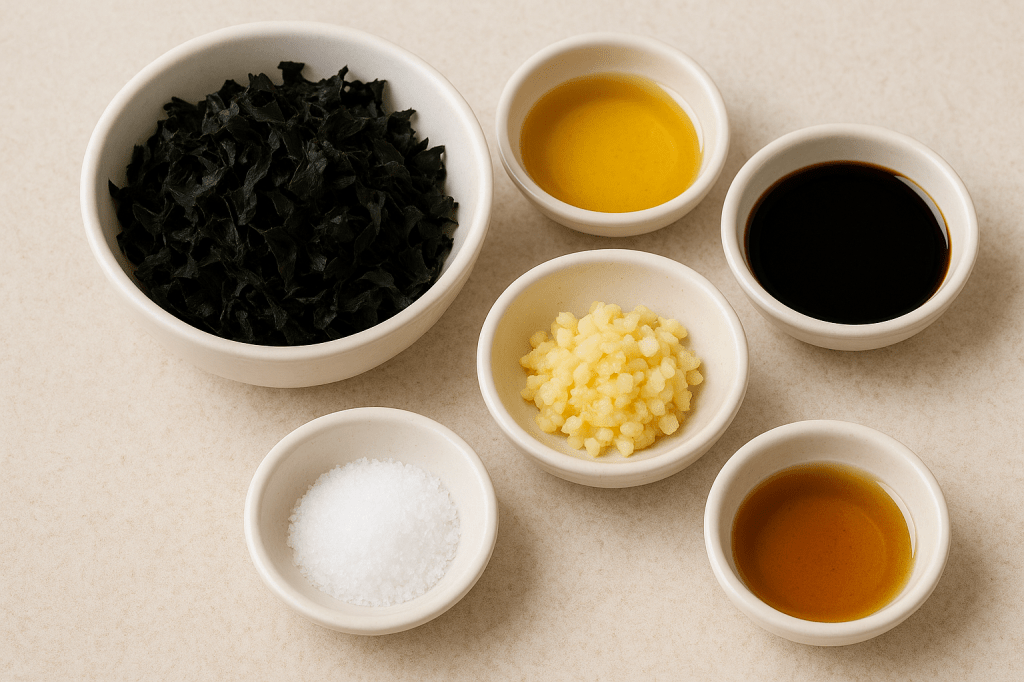
Serves: ~4 bowls
Time: 10 min prep · 35+ min simmer
| Ingredient | Amount | Notes / Link |
|---|---|---|
| Dried seaweed (miyeok / wakame) | 15 g | Rehydrates ~5×. Buy |
| Sesame oil | 2 Tbsp | Toasty, nutty flavor. Buy |
| Soy sauce | 1 Tbsp | Salty & savory base. Buy |
| Minced garlic | 1 Tbsp | Fresh or jarred. |
| Salt | ½ Tbsp | Start low; adjust later. |
| Water | 4 cups | Or low-sodium broth. |
Nutritional Benefits of Seaweed 🌿
Seaweed is not only delicious but also packs a punch in terms of nutrients. Here’s why it’s such a great addition to your diet:
Seaweed is exceptionally rich in iodine and a variety of vitamins and minerals, including:
- Iodine: Crucial for thyroid function.
- Vitamins:
- Vitamin A: Supports vision, immune function, and cell growth.
- B Vitamins: Vital for energy and nerve function.
- Vitamin C: Powerful antioxidant for immune support.
- Vitamin E: Protects cells from damage.
- Vitamin K: Important for blood clotting and bone health.
- Minerals:
- Calcium: Strengthens bones and teeth.
- Iron: Needed for oxygen transport in the blood.
- Magnesium: Supports muscles, nerves, and regulates blood sugar.
- Potassium: Aids in blood pressure regulation.
- Zinc: Enhances immune function and wound healing.
- Other Nutrients:
- Dietary fiber: Good for digestion.
- Omega-3 fatty acids: Essential for heart health, and provides DHA and EPA.
These nutrients make seaweed a powerful addition to your diet, supporting everything from thyroid health to immunity and digestion.
Additional / Optional Ingredients (Flavor Boosters)
Use one or mix & match!
| Optional Ingredient | Amount | Why Use It | Tips |
|---|---|---|---|
| Bite-size beef (stew meat, chuck, brisket trims, or any cut) | 30–70 g | Adds protein, body, and classic birthday-style flavor. | Cut very small for kids; brown lightly in sesame oil w/ seaweed. |
| Anchovy fish sauce | 1 Tbsp | Deepens umami, echoes traditional anchovy stock. | Add during simmer; taste before salting. Buy |
| Manila clams | ~30 g (rinsed) | Briny sweetness + trace minerals. | Add last 5–7 min so they don’t overcook. (Optional; omit for beef version.) |
Tip: The soy sauce, dried seaweed, and sesame oil are always stocked in my pantry — they’re Korean cooking essentials!
How to Make Korean Seaweed Soup 👩🍳
Step 1: Soak the Seaweed
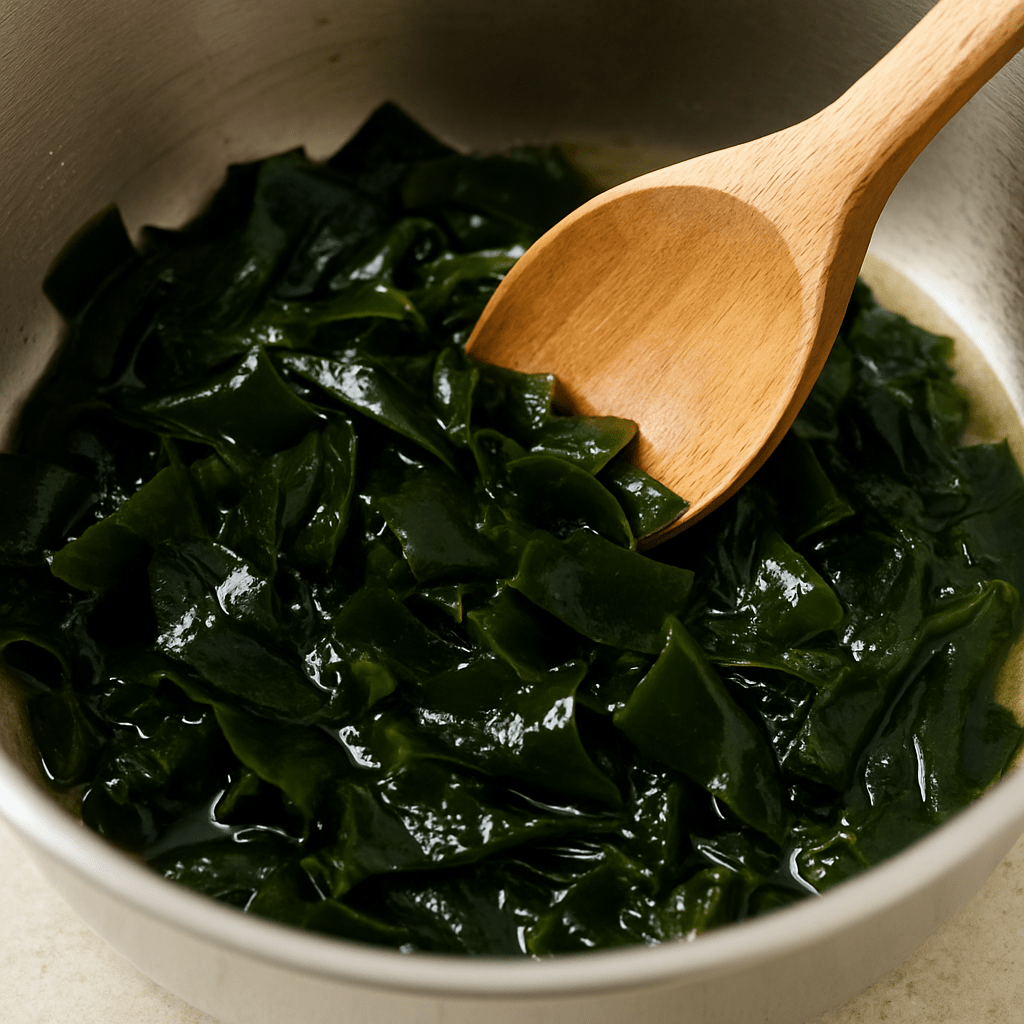
Place 15g of dried seaweed into a large bowl of water and soak for 20 minutes or more.
⚠️ It expands a lot — almost 5x its original size — so be sure to use a mixing bowl.
Step 2: Rinse and Drain
Once rehydrated, rinse the seaweed 3 times in running water like you’re washing a shirt.
This step removes the bitterness. Then drain well (it doesn’t have to be bone-dry).
Step 3: Sauté the Seaweed
In a medium pot over medium-low heat, add 1 tbsp of sesame oil and your soaked seaweed.
Sauté for 2 minutes, letting it absorb the oil and deepen in flavor.
Step 4: Add Soy Sauce
Pour in 1 tbsp of soy sauce and continue stirring for another 5 minutes on medium heat.
Step 5: Add Water and Garlic
Add 4 cups of water, 1 tbsp of minced garlic, and ½ tbsp salt.
Turn the heat up and bring it to a boil.
Step 6: Simmer
Let the soup boil for at least 30 minutes. The longer it simmers, the deeper the flavor.
Taste and adjust the salt at the end — you can even add a splash more soy sauce or fish sauce here.
Recipe Variations 🥩
Want to make a non-vegetarian version?
Try my [Beef Seaweed Soup Recipe] — it’s perfect for the whole family, especially your little ones.
If you don’t eat beef, you can add clams instead.
Serving Suggestions 🍚
This soup is best served with a bowl of steamed rice on the side. The warmth of the soup and the soft rice complement each other perfectly, making it a comforting meal for the whole family.
Storing & Reheating
Store leftovers in an airtight container in the fridge for up to 3–4 days.
Reheat on the stove or microwave — just add a little water if it thickens.
🍲 Pro Tip: This soup tastes even better the next day as the flavors meld—so make extra!
Final Thoughts 💬
Seaweed soup is one of those dishes that feels like a warm hug.
Whether you’re celebrating, recovering, or just want something simple and nourishing — this recipe is it.
Let me know in the comments:
➡️ Have you made miyeokguk before?
➡️ Do you prefer it with beef, clams, or just simple and clean?
👍 If this recipe was helpful, please like the post and subscribe so you don’t miss new family-friendly Korean recipes and Amazon-find kitchen helpers!
 Cook&Click with Hana