Potty training a toddler is one of those parenting milestones that everyone seems to have a strong opinion about. Some say “just wait until they’re ready,” while others are deep into reward charts and timer alarms. If you’ve ever stood over a puddle of pee wondering, “Is there a better way to do this?” — you’re not alone.
The truth is: there isn’t one magic method that works for every child. I’ve tried a few different approaches with my kids, and I’ll walk you through what worked (and what didn’t), along with some other common methods that might help you find the right fit for your family.
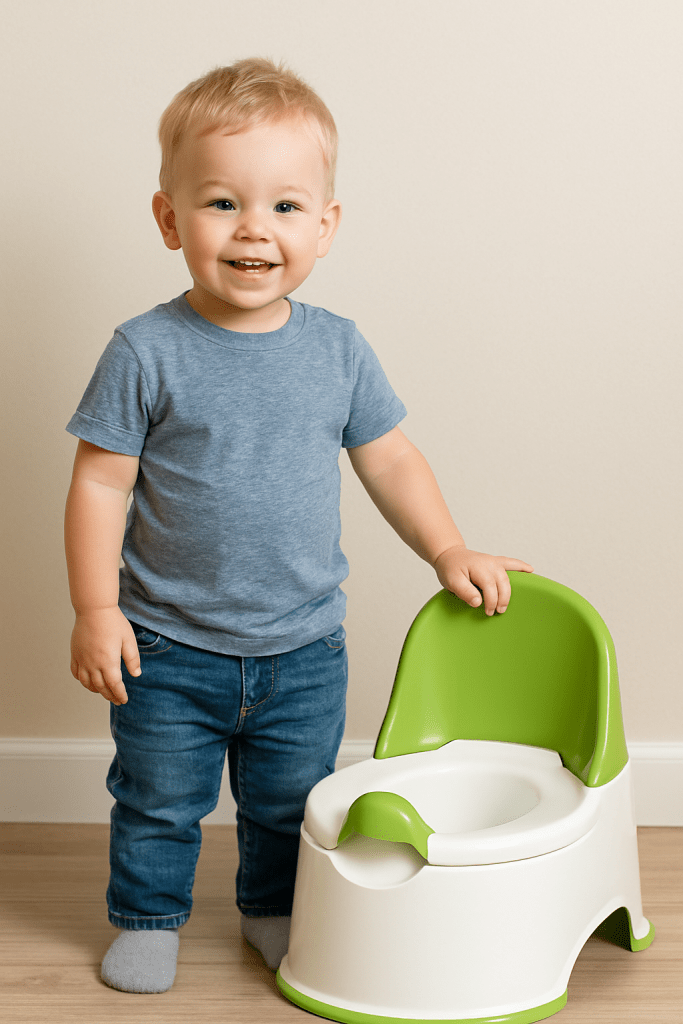
1. Wait-It-Out Method (aka: Let Them Tell You When They’re Ready)
This is the most relaxed approach. No stress, no pressure. You simply wait until your child shows interest — telling you they’re wet, asking to use the toilet, or staying dry for long stretches.
- Pros: No power struggles, fewer accidents, child-led.
- Cons: It might take a while — some kids aren’t fully out of diapers until closer to 3.5 or 4 years old.
- My Experience: I’ve seen this work for friends. Personally, I’m too impatient. I like a little more structure.
2. Timer or Scheduled Potty Breaks
This one is a classic. You set a timer and sit your toddler on the toilet every 1.5–2 hours, even if they say they don’t need to go.
- Pros: Helps them build a routine and awareness of their body.
- Cons: It can become a battle, especially if you’re juggling multiple kids. Also, you’ll be spending a lot of time in the bathroom.
- My Experience: I tried this. It sort of worked, but it felt like I was doing all the work while my toddler was just along for the ride.
3. The “No Pants” Method (aka: Bare-Bottom Training)
This is the approach that worked best for me — especially during warmer months. I let my kids walk around the house bottomless, and the moment they peed in the potty, I celebrated big and then let them wear underwear.
- Pros: No need to keep track of time. Great for second-time parents juggling multiple kids. I believe this is the fastest way to train.
- Cons: Be prepared to clean up a lot of accidents. We have hardwood floors, so it was manageable — but still not ideal.
- My Experience: With my first child, this method worked great. My second? Not so much. She would dribble a little here, a little there. Took a lot longer and a lot more cleanup.
4. Three-Day Potty Training Bootcamp
A popular method where you clear your calendar for 3 days, keep your child in underwear or bottomless, and watch them like a hawk for signs. You praise every success and address accidents calmly but firmly.
- Pros: Quick results (in theory). Full immersion helps some kids “get it” faster.
- Cons: Requires total commitment — no errands, no distractions, no help? Not ideal.
- Helpful Tip: Stock up on snacks, treats, and floor cleaner.
5. Reward System (Stickers, Treats, Toys)
Every time your child pees or poops in the potty, they get a reward — a sticker, a small toy, an M&M, etc.
- Pros: Motivating for kids who love instant feedback.
- Cons: Can backfire if your child starts only doing it for the reward. Also, it can be hard to wean them off the incentives.
- Pair With: Any other method for added encouragement.
6. Modeling and Peer Pressure
Let your toddler watch older siblings or even friends use the potty. Sometimes, seeing another kiddo do it is all the encouragement they need.
- Pros: Kids are natural mimics.
- Cons: Can only work if you have access to older children or peers.
Bonus Tip: Get the Right Gear
Having a kid-friendly potty can make all the difference. Whether it’s a potty seat with handles, a standalone mini toilet, or one that plays music — some toddlers respond much better when the potty feels like it’s made just for them.
Final Thoughts
If you’re in the middle of potty training (or dreading it), here’s my best advice: try a method that fits your lifestyle and your child’s temperament. If it doesn’t work after a few days, it’s okay to pause and try again later.
For us, the bare-bottom approach during spring or summer worked best. It was messy, yes — but effective. Just don’t forget: every kid eventually learns to use the potty. You won’t be sending them to high school in diapers.
Potty training is messy, frustrating, hilarious, and oddly emotional — but you’ve got this.
Let’s Hear It!
What potty training method worked for your toddler? Share your tips or horror stories in the comments below — because no one should go through potty training alone.
 Cook&Click with Hana
Leave a comment